Front
,
Search
,
Index
,
Links
,
Pathology
,
Molecules
,
Syndromes
,
Muscle
,
NMJ
,
Nerve
,
Spinal
,
Ataxia
,
Antibody & Biopsy
,
Patient Info
TOXIC MYOPATHIES
Amphiphilic drug myopathies
Biological toxins: Snake & others
Focal fibrosing myopathies
Hypokalemic myopathies
Mitochondrial
Myalgia syndromes
Myosin Deficiency Myopathies
Myotonic syndromes
NMJ disorders
Myasthenic syndromes: Drug-related
Venoms & Toxins
Overactivity syndromes
Rhabdomyolysis
Toxic myopathies: Classification
e
-Aminocaproic acid
Amiodarone
Apamin
AZT
Barium
Chlorophenoxy
Chloroquine
Ciguatoxin
Clofibrate
Colchicine
Corticosteroids
Crotamine
Crotoxin
Cyclosporine
20,25-Diazacholesterol
Emetine
Ethanol
Fibrates
Germanium
Gold
Gossypol
Interferon-α
Ipecac
Isotretinoin
Lithium
Mojave toxin
Penicillamine
Pentaborane
Procainamide
Propofol
Statins
Taipoxin
TNF-α
Toxic oil
L-Tryptophan
Valproate
Vecuronium bromide
Vinca alkaloids
Zidovudine
Classification of Toxic Myopathies
Mitochondrial
AZT
Germanium
Myosin Deficiency Myopathies
: Associated with
Corticosteroids
Non-depolarizing blocking agents: Vecuronium; Atracuronium
Rhabdomyolysis syndromes
Ethanol
Heroin; Cocaine; Toluene
Snake Venoms
Cholesterol-lowering-agent myopathy
Cyclosporine
Hypokalemic myopathies
Muscle overactivity syndromes
Neural
CNS overactivity: Phencyclidine; Amphetamine; Cicutoxin
Neuroleptic malignant syndrome: Lithium; Haloperidol; Phenothiazines
Combinations are especially likely to produce myopathy
Motor neuron hyperactivity:
Tetanus
;
Strychnine
Myotonia
Inducing
Exacerbating
Drug & Toxin induced
9
Agonist-induced myopathy:
Organophosphates
Amphiphilic Drug Myopathies
Necrotizing
Vacuolar
Anti-microtubule drugs: Especially colchicine
Chlorphenoxy herbicides
Cyclosporine
Emetine
Inflammatory myopathies
D-penicillamine
1,1'-Ethylidinebis[tryptophan]:
Eosinophilia-myalgia syndrome
Lupus ± myositis: Procainamide; Hydralazine
Interferons
: α-2a; α-2b
Ipecac
Isotretinoin
Labetalol
Methotrexate: Myalgias when given with pantoprazole
7
Neuroleptic
Malignant syndrome
High CK
Specific drugs: Clozapine; Loxapine; Haloperidol; Melperone; Risperidone; Olanzapine
General: Drugs with potent serotonin 5-HT2a effect more than dopamine D2 receptor antagonism
Focal fibrosing myopathies
: Due to injections of drugs
Valproate
Induces myopathy in setting of
mitochondrial disorder
Precipitates myopathy & rhabdomyolysis with
CPT-2 deficiency
Paraspinous
weakness
Vitamin E (Overdose)
Myalgia syndromes
Myasthenia gravis
Amphiphilic Drug Myopathies
General features
Drugs with hydrophobic moiety and hydrophilic region containing amine group
Often produce multisystem disorders: Especially
neuropathy
&
cardiomyopathy
Myopathy type: Necrotizing
Drugs: Chlorphenteramine; Chlorcyclizine; Triparanol; Iprindol;
20,25-Diazacholesterol, Local anesthetics
Drug features
Highest lipid solubility & high pH in solution
Hydrophobic region partitions into membranes
Myopathy type: Vacuolar
Drugs
Chloroquine
; Hydroxychloroquine; Doxorubicin;
Perhexiline
&
Amiodarone
Dose related myopathy: Daily dosages of chloroquine of 500 mg given for 1 year or longer
Drug features
At extracellular pH drugs are poorly ionized & penetrate membranes
Acid pH in lysosome: Cationic region interacts with polar materials
Clinical: Weakness, Proximal > Distal
Pathology
Vacuoles with lipid & membranous material
Strong acid phosphatase staining in muscle fibers
Normal PAS staining for glycogen
Apamin
Peptide
Venom component of Hymenoptera (Bees & Wasps)
Blocks
Ca
++
sensitive K
+
channels, Small conductance (SK) type
Epidemiology
Multiple stings from "Killer" or "African" bees
Central America & Mexico
Clinical
Rhabdomyolysis
Renal failure
Mechanism: ? Syndrome related to toxin effect or anaphylaxis after bee stings
Barium myopathy
(
Hypokalemic
)
Toxicology
Toxin: Soluble salts; Acetate, Carbonate, Chloride, Hydroxide, Nitrate, Sulfide
Doses (Oral): Toxic 200 mg; Lethal 1 to 15 g
Exposure
Oral: Suicide; Food contamination (Table salt, Flour, Potato meal substitution
Inhalation
Burns: Molten barium chloride
Clinical
Acute toxicity
GI: Nausea; Vomiting; Diarrhea; Abdominal pain; Xerostomia
Perioral paresthesias (Occasional)
Weakness
Quadriparesis: Flaccid
Muscle twitching
No involvement of cranial nerves or respiration
Reflexes: Often absent; May be preserved
Rhabdomyolysis: Occasional
Mechanism or weakness: Shift of extracellular K
+
into muscle
Autonomic: Diaphoresis; Salivation
Sensory & Mental status normal
Systemic features
Testicular tenderness
Headaches
Cardiac: Ventricular tachyarrhythmias
Renal: Reversible acute insufficiency
Fatalities: Related to respiratory failure or cardiac arrhythmisa
Laboratory
Hypokalemia
: Often severe, K
+
as low as 0.8 mEq/L
EKG: T wave change; Prominent U waves
Treatment: K
+
supplementation; Oral sulfates
Anti-microtubule drugs: Myopathy
Specific medications
Colchicine
? Vincristine
Colchicine uses
Gout treatment
Other treatment
Pulmonary fibrosis
Liver cirrhosis
Pericarditis
Psoriatic arthritis
Vasculitis
Scleroderma
Familial Mediterranean fever
Amyloidosis
Sweet’s syndrome
Behçet’s disease
Risk factors
Organ failure
Renal insufficiency
Colchicine not recommended with GFR <10 mL/min
Dialysis removes only 0% to 5% of colchicine
Liver disease
Clearance of colchicine: Normally dependent on both renal & hepatic systems
Age > 50 years
Prolonged colchicine treatment
Concomitant therapy: Statins, Cyclosporine A, Grapefruit juice, ? Prednisone
Clinical
Onset
Drug dose: High or Normal; 0.6 to 4 mg/d
Treatment duration: Prolonged, Ocasionally brief; 1 week to 1 year
Syndrome development: Subacute (2 weeks) to chronic (3 months)
Prodrome: Muscle pain & weakness
Myopathy
Weakness: Proximal; Mild to Severe
Myalgias
Recovery: Weeks to months after drug is discontinued
Neuropathy
Vincristine & Vinca alkaloids
; ±
Colchicine
Type: Axonal; Mild
Cardiac toxicity
Gastrointestinal intolerance (nausea, vomiting, abdominal pain)
Common: Dose related side effect
Myopathy may occur in the absence of this side effect
Laboratory
Serum CK: Very high
EMG: Myopathy; Spontaneous activity; Myotonia
Renal failure: Some patients
Muscle pathology
5
Muscle fiber size: Varied
Lysosomal accumulation
Inclusions
Central: Basophilic on H & E stain
Membranous, filamentous & vacuolar
Acid phosphatase positive: Autophagic
Stain for αB-crystallin
More common in type I muscle fibers
MHC class I positive Muscle fibers
Membrane attack complex: Granular deposits on surface of myofibers
Myofibrillar disorganization
Mechanism of toxicity
10
Binds to tubulin; Prevents polymerization & formation of microtubules
Defective intracellular movement of vesicles & lysosomes
Inhibition of lysosomal exocytosis
Membrane ACh receptors
Increased endocytosis
Reduced degradation
Treatment: Discontinue colchicine
Cyclosporine
myopathy
2
: Several syndromes
Rhabdomyolysis: With
lipid lowering agents
Myopathy with anti-Microtubule drugs:
Colchicine
Myopathy (Rare)
Clinical
Onset: 1 to 5 months after onset of treatment
Discomfort: Myalgias; Cramps
Weakness: Proximal or Diffuse; Symmetric; ? Legs > Arms
Time course: Resolution in months after stopping Cyclosporine
Laboratory
Serum CK: Normal or High
Muscle biopsy: Type 2 muscle fiber atrophy; Mitochondrial changes (10%)
20,25-Diazacholesterol
Molecule type: Cholesterol analog, Reduces cholesterol synthesis
Clinical
Myotonia
Cramps
Muscle weakness: Some patients
Palmoplantar keratoderma (20%)
Course
Onset: Months after beginning treatment
Resolution: ~2 Months after stopping drug
Laboratory
Serum cholesterol: Reduced
EMG: Myotonia (96%)
Muscle biopsy: Myopathic
Eosinophilia-myalgia syndrome
1
Toxin
1,1'-Ethylidinebis[tryptophan]
Contaminant of tryptophan produced by Showa Denko KK in 1989
Tryptophan ingestion in 98% of patients
Epidemiology
Predominantly white: 97%
Female: 84%
Age: Most common 35-60 years; Range 17-81 years; Mean 49 years
Epidemic occurred in 1989 to 1991: Few new cases since
Similar disorder: Toxic oil syndrome
Non-L-tryptophan cases (2%)
Younger
More common neuropathy & skin disorders
Clinical
Onset
Sudden
Skin changes (57%)
Myopathy (34%)
Neuropathy (34%)
Other early features
Edema
Fever
Alopecia
Arthralgias
Myalgias & Fatigue
Severe
At onset of syndrome
Myopathy
Proximal weakness
Myalgias
Cramps
Perimysial & perivascular inflammation (macrophage)
Polyneuropathy
Paresthesias
Sensory loss: Distal
Motor: Progressive to severe weakness in some
Skin (33%)
Scleroderma-like rash
Onset: 3 weeks after myalgias
Vascular: Thromboembolic events
Pulmonary
Pneumonia: Non-bacterial
Interstitial disease
Hypertension
CNS: Encephalopathy; Seizures; Spasticity
Lab
Eosinophilia
(> 1,000 cells/mm
3
): Up to 10,000-30,000 cells/μL
Aldolase: High (60%)
CK: High (10%); Often normal
Pulmonary: reduced diffunsion capacity in 50%
Pathology
Nerve
Axonal ± demyelination
Epineurial inflammation
Muscle
Perimysial inflammation (
Fasciitis
)
Inflammatory cell type: Macrophages
Prognosis
Slow resolution over years (60%): Myalgias; Skin changes
Occasional patients with severe residual weakness or myalgia
Persistent features: Cognitive changes; ? Polyneuropathy
Death: 6% to 20% in 18 months; Especially in older patients
Treatment
Stop offending drug
Prednisone not effective
Pain control
Support group:
Eosinophilia-Myalgia Association
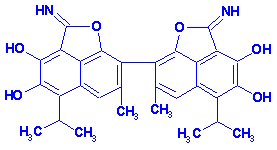
Gossypol myopathy
Gossypol
Sources
Thespesia populnea
: Cotton plant flower
Gossypium herbaceum
: Seed & Root
Predominant pigment
Intoxication route: Ingestion of raw cottonseed oil
Uses
Male contraceptive
Uterine hemorrhage (in China)
Animal feed: Cotonseed
Epidemiology
Location: Common in cotton growing areas of China
Seasonal: More common in Winter & Spring
Clinical
Prodrome: Nausea; Anorexia; Tingling in hands; Cramping; Weakness
Progression: Over 1 to 2 weeks
Polydipsia
Polyuria
GI: Anorexia; Nausea & vomiting
Palpitations
Weakness
Proximal > Distal
Other: Wrist weakness; Occasional respiratory
Tone reduced
Tendon reflexes: Reduced
Normal cranial nerves & sensation
Course: Resolution over weeks
Laboratory
Serum K
+
: Low
Urine: High K
+
; Distal renal tubular acidosis
EKG: Long QT; T wave change; PVC; AV block
Mechanism of myopathy:
Hypokalemia
K
+
wasting in urine
Treatment
Stop gossypol intake
K+ supplementation: IV or oral
Animal toxicity
Source: Cottonseed feed
Affected animals: Non-ruminants; Younger age
Sudden death
Cardiomyopathy
Ipecac myopathy
Source:
Cephaelis ipecacuanha
Composition: 2 major alkaloids
emetine
& cephaeline
Uses: Induction of vomiting
Clinical features
Myopathy
Painless proximal weakness
Weakness reverses on stopping medication
Serum CK: High
Muscle pathology: "Floccular or Geographic" Inclusions
Other systems: Cardiac
Emetine myopathy
Source
Alkaloid from
Cephaelis ipecacuanha
Major component of ipecac
Herbal & Historical aspects
Uses: Treatment of amebiasis
Toxicity
Cumulative 2° slow urinary excretion
Dose related: Especially > 500 to 600 mg over 10 days
Mechanism: ? Inhibition of muscle protein synthesis
Myopathy
Clinical
Discomfort
: Pain; Tenderness; Stiffness
±
Rhabdomyolysis
Course: Improvement after discontinuation of drug
Pathology
Myofibrillar degeneration
: Cytoplasmic bodies
Mitochondrial degeneration
Muscle fiber
Necrosis
& Regeneration
Motheaten muscle fibers
Laboratory
Serum CK: High
EMG: Irritable myopathy, or Normal
Systemic disorders
Skin change
Associated cardiotoxicity
Chlorophenoxy herbicides
4
Uses: Herbicides for control of broad-leaved weeds
Common compounds
2,4-dichlorophenoxyacetic acid (2,4-D): Component of Agent Orange
2-methyl-4 chlorphenoxypropionic acid (MCPP)
Toxic mechanisms
Cell membrane damage: Dose dependent
Oxidative phosphorylation: Uncoupling
Acetylcoenzyme A metabolism: Disrupted
Herbicide mechanism: Plant growth hormone
Routes of exposure: Ingestion; Inhalation; Skin
Acute effects after ingestion
GI: Vomiting; Abdominal pain; Diarrhea
Hypotension: Occasional; Due to hypovolemia
Myopathy
Weakness: Limb; Proximal
Cramps
Myotonia
Occasional
rhabdomyolysis
Other Motor
Hypertonia
Weakness
Fasciculation
Hypoventilation
Tendon reflexes: Increased
CNS
Dose dependent: ? Blood-brain barrier damage
Encephalopathy: Coma; Hallucinations; Seizures
Cerebellar: Ataxia; Nystagmus
Ocular: Miosis
Dermal exposure syndromes
GI irritation: After latent period
Polyneuropathy: Rare reports
Weakness: Legs
Fasciculations
Sensory loss: Light touch; Pain; Temperature
Pain & Paresthesias
Tendon reflexes: Reduced
Prognosis: Mortality 33%
Laboratory
Serum cholesterol reduced: Analog of
clofibrate
Treatment
Supportive care
Alkaline diuresis
Hemodialysis
Isotretinoin
6
Uses: Acne
Clinical features
Myalgias
Rare
rhabdomyolysis
May be Asymptomatic
Laboratory
High CK (> 5,000), especially after exercise or IM injection
Serum carnitine: Reduced
Liver enzymes: High
Serum lipids: High
Frequency: 1.6% to 15%
Course: CK returns to normal within 2 weeks
Treatment: ? Dietary supplement with
L-carnitine
Focal Fibrosing Myopathies
3
Caused by injections of drugs
Meperidine
Pentazocine
Heroin
Antibiotics in infants
Penicillin
Diphenhydramine
Piritramid
Pethidine
Triamcinolone
Clinical
Stiffness: Limited active & passive joint movement
No pain
Muscles: Fibrous; Hard & Indurated
Strength: Mildly reduced
Laboratory
Serum CK: Normal
EMG: Silent
Ultrasound: Enlarged muscle structure; Thickened connective tissue
Muscle biopsy
Variable muscle fiber size
Inflammation
Endomysial connective tissue: Increased
? Treatment: Prednisone; Penicillamine; Physical therapy; Stop injections
Tumor Necrosis Factor-α
8
Functions
Roles
Immune system development
Immune response regulation
T-cell-mediated tissue injury
Antigen-presenting cell function
Regulating apoptosis of potentially autoreactive T cells
Cytokine: Pro-inflammatory & Immunoregulatory properties
Involved in normal inflammation immune responses
Growth factor: Prothymocytes & Thymocytesi
Influences generation of the T-cell repertoire
Source: TNF-α secreted by macrophages
Receptors
p55 (TNFRSF1A)
p75 (TNFRSF1B)
Associated biologic responses: Expression of molecules responsible for
Leukocyte adhesion & migration: E-selectin, intercellular adhesion molecule-1 (ICAM-1), Vascular cell adhesion molecule (VCAM-1)
Chemoattraction: Interleukin-8 (IL-8); Monocyte chemotactic protein (MCP-1)
Tissue degradation: Matrix metalloproteinase (MMP) 1 & 3; Stromelysin
Circulating TNF-α levels: High in systemic disorders
Chronic obstructive lung disease
Heart failure
Sepsis
Transplant rejection
Neuropathies, immune:
GBS
;
CIDP
;
MMN
Associations
Focal invasion of muscle fibers
Muscle pain
: May be chemical stimulus
Muscle protein degradation
Paraneoplastic Sensory-Motor Neuromyopathy
POEMS
Polymorphisms associated with susceptibility to
Malaria
Septic shock
Acute motor axonal neuropathy
(AMAN)
Dermatomyositis
Systemic lupus erythematosus: TNF superfamily gene 4 (TNFSF4
)
Other TNF-α related: Hereditary
Recurrent fever with localized myositis or fasciitis
(TNFRSF1A)
TNF-α antagonists
11
Drugs
Infliximab: Monoclonal antibody vs TNF-α
Etanercept: p75 TNF-receptor fusion protein conjugated to Fc region of human IgG
Adalimumab: anti-TNF monoclonal antibody
Uses: Treatment of advanced inflammatory rheumatic & bowel disease
Associated disorders: Immune; Idiosyncratic
Epidemiology
Female: 80%
Mean age at diagnosis of associated vasculitis: 51 years
Length of anti-TNF treatment: Mean 9.5 months
Previous vasculitis: 9%
Acute immune neuropathies
:
Guillain-Barré
;
Miller Fisher
Chronic inflammatory demyelinating polyneuropathy
Multifocal motor neuropathy
Vasculitis
Neuropathy
: Mononeuritis multiplex; Necrotizing vasculitis
Leukocytoclastic: Most common; Purpura; 25% with extracutaneous involvement
Sensory-Motor polyneuropathy: Axonal; Distal; Symmetric; Legs > Arms
Lupus: Cutaneous or systemic
Interstitial lung disease: Poor prognosis; Possible association with methotrexate
Leprosy type
Immune myopathy: Few cases
Treatment
Discontinue use of TNF-α antagonist
Course after discontinuation
Improvement: Mean time to resolution 1 year
Re-exposure to drug: May be associted with relapse of immune syndrome
TNF-α: Experimental systems
Reduces muscle contractile force
Normal muscle mass and ultrastructure
Return to
Myopathy differential diagnosis
Return to
Neuromuscular home page
References
1.
Ann Int Med 1995;122:851-855
2.
Muscle Nerve 1999;22:1631-1636
3.
Muscle Nerve 2000;23:274-277
4.
Clinical Toxicology 2000;38:111-122
5.
Acta Neuropathol 2001;December, On-Line
6.
Acta Derm Venereol 2001;81:350-352
7.
BMJ 2002;324:1497
8.
Am J Respir Crit Care Med 166;2002:479–484
9.
Muscle Nerve 2003;Online January
10.
Experimental Cell Research 2003;285:196–207
11.
Medicine 2007;86:242-251
,
Muscle Nerve 2007 Nov 26
12/10/2007