Front
,
Search
,
Index
,
Links
,
Pathology
,
Molecules
,
Syndromes
,
Muscle
,
NMJ
,
Nerve
,
Spinal
,
Ataxia
,
Antibody & Biopsy
,
Patient Info
WASTING
>
WEAKNESS
Pathology is often
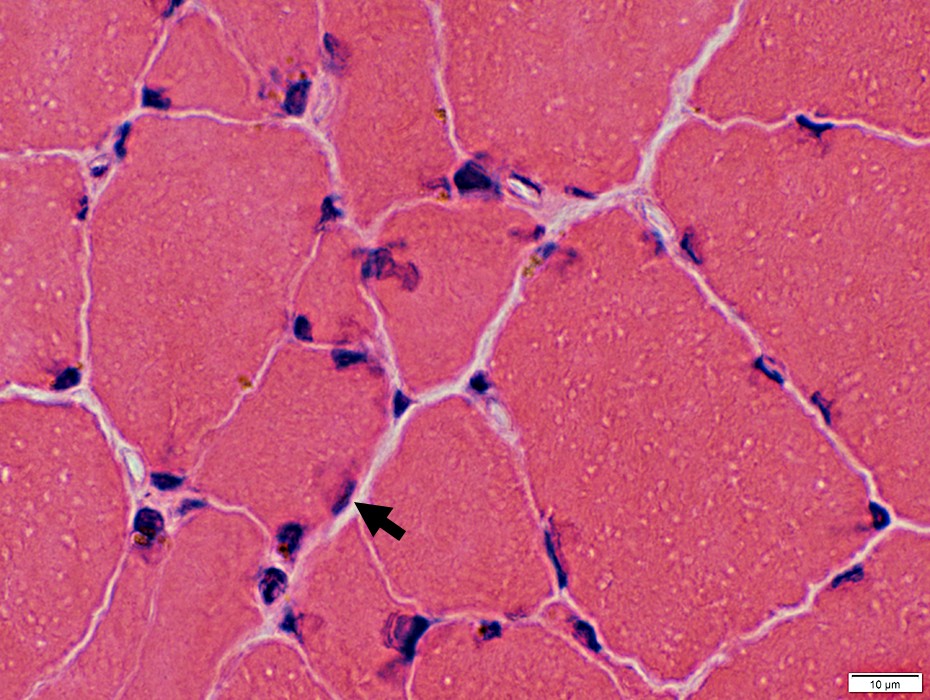
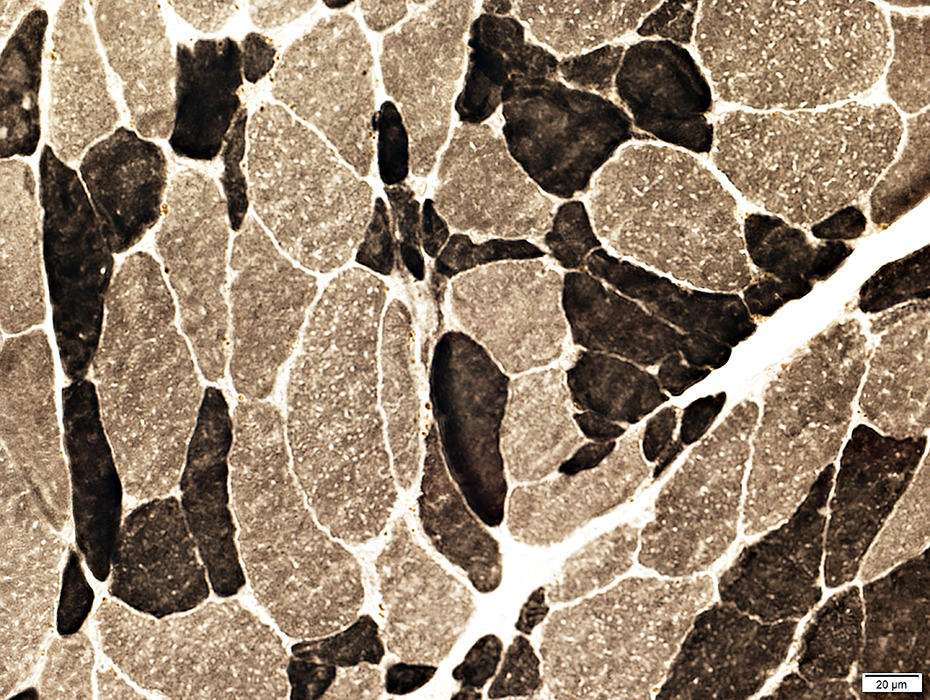
Type II muscle fiber atrophy
.
Cachexia (weight loss > 15%)
Aging
Disuse
Endocrine myopathies
:
Corticosteroid excess
;
Hyperthyroidism
Paraneoplastic Neuromyopathy
Other disorders with prominent wasting associated with weakness
Congenital myopathies
Congenital myasthenic syndromes
Denervation
HIV wasting
METABOLIC CHANGES IN SYSTEMIC DISORDERS WITH MUSCLE WASTING
Metabolic changes (Low CG syndrome)
Low plasma cystine & glutamine
High plasma glutamate
Low intracellular glutathione
High urea production
Weight loss
Selectively in skeletal muscle
Not prevented by aggressive nutrition
Natural killer cell function: Reduced
Syndromes with low plasma cystine & glutamine levels
HIV: Late asymptomatic stage
Sepsis & trauma
Bowel disease: Crohn's; Ulcerative colitis
Chronic fatigue syndrome
Overtraining
Changes may be reversed by N-acetyl-cystine (NAC) treatment
Differs from starvation which has
Low urea production
Weight loss in most organs
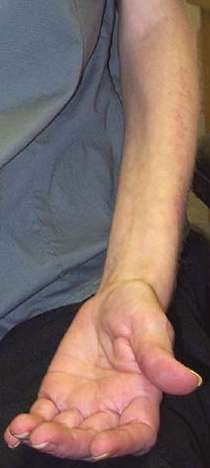
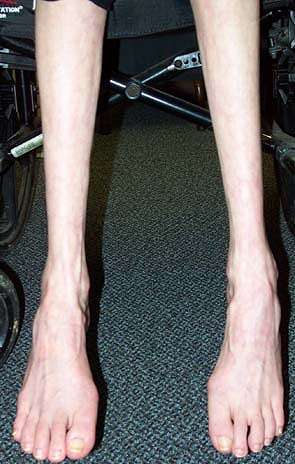
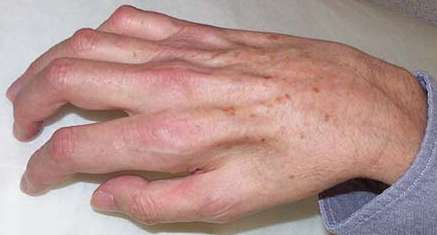
Congenital myopathy
Severe wasting involves the distal arms & legs.
The most distal regions, the hands & feet, are relatively spared
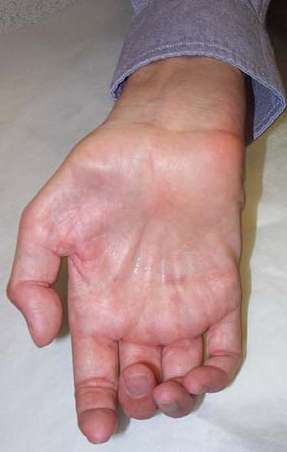
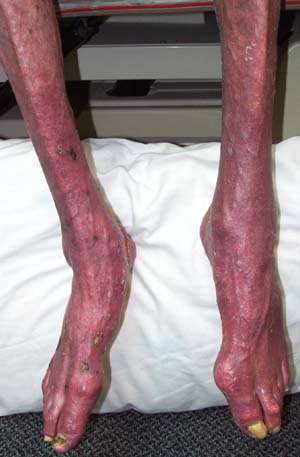
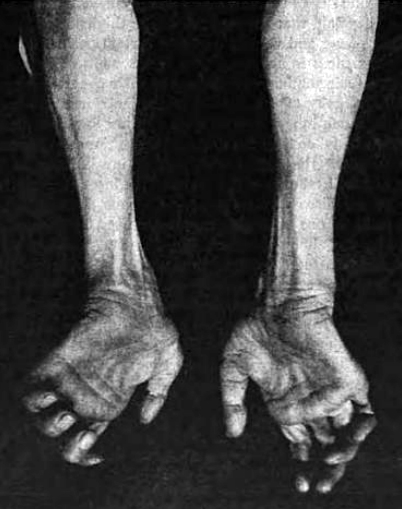
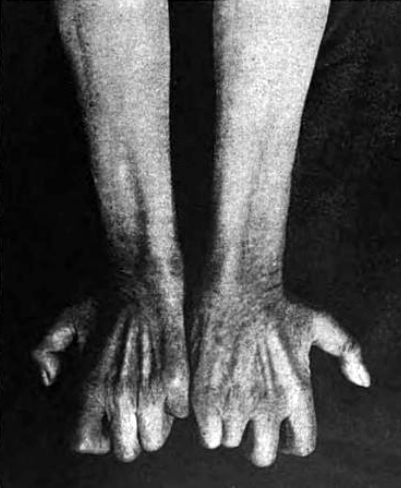
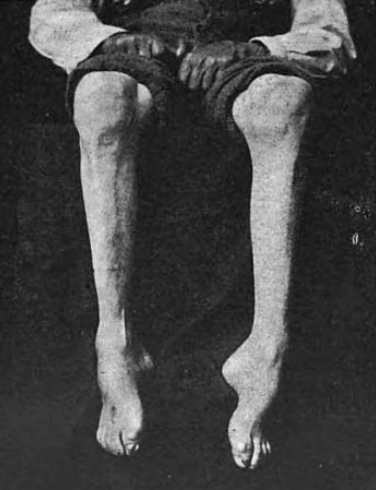
Chronic denervation: Severe
Severe wasting involves the distal arms & legs including the most distal regions, the hands & feet.
Note atrophy of median (thenar) and ulnar innervated muscles in the hands.
Severe trophic skin changes are present on the legs.
Return to
Myopathy & NMJ Index
Return to
Neuromuscular home page
2/9/2001