Front
,
Search
,
Index
,
Links
,
Pathology
,
Molecules
,
Syndromes
,
Muscle
,
NMJ
,
Nerve
,
Spinal
,
Ataxia
,
Antibody & Biopsy
,
Patient Info
Autoimmune Myasthenia Gravis: Clinical Manifestations
2
Epidemiology
Prevalence
50 to 400 cases per million
Higher > 40 years
Annual incidence: 2.5 to 20 per million
Lifetime risk: 500 per million
Onset Age
General adult: Bimodal pattern
Early peak
Age: 2nd & 3rd decade
Female predominance
Association with HLA B8 & DR3
Late peak
4
6th to 8th decade
Male = Female
HLA association: B7 & DR2
Frequency: May be increasing in Western countries
Antibodies
AChR
Lower titer than in younger patients
Sero-negative MG uncommon
Titin
Frequency in late onset MG: 30%
Early onset MG: Rare except with thymomas
Associated with higher frequency of DR 7 antigen & lower frequency of DR 3 antigen
Ryanodine receptor
Childhood
: Up to 30% of MG in China & Japan
Autoimmune MG may rarely be a
familial disorder
.
Ocular MG: Associated with HLA-BW46 in Chinese patients
Onset
Presenting symptoms
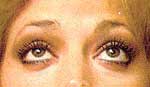
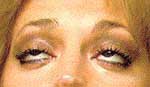
Ocular (50%): Ptosis; Diplopia
Weakness, systemic (35%)
Distribution: Variable; Bulbar, Legs, or Arms
Painless
Fatigue (10%)
Respiratory failure
: Rare
Progression: Generally insidious over weeks to months
Aggravating factors
Systemic disease: Infections;
Thyroid
Emotional stress
Pregnancy
Medications
Symptoms & Signs
Weakness
Variable: May increase through the day, or with prolonged physical activity
Onset: Often diplopia or ptosis 2° to
extraocular muscle
or levator palpebrae weakness
Most patients develop weakness in other muscles
Ocular myasthenia
Weakness remains limited to ocular muscles during entire course of the illness
from
Baylor
Specific muscle groups
Ocular
Ptosis & Ophthalmoplegia
Usually asymmetric & bilateral
Pupils: Normal
Rule out focal neural lesions
III or VI nerve lesion
; Internuclear ophthalmoplegia
Especially when unilateral signs
Bulbar
Symptoms: Dysarthria,
Dysphagia
, Weak mastication
Signs: Poor gag reflex & palate elevation; Weak tongue
May result in aspiration pneumonia
Considered life-threatening
Usually an indication for rapidly-acting
therapeutic intervention
Plasma exchange
most commonly used
Facial
Frequency: > 95% of MG
Reduced facial expression, or snarl with attempt to smile
Distribution: Orbicularis oculi most common; Also orbicularis oris
Respiratory failure
Considered life-threatening
Usually due to Diaphragmatic and Intercostal muscle weakness
Strong indication for rapidly-acting
therapeutic intervention
Pyridostigmine &
Plasma exchange
most commonly used
May be due to vocal cord paralysis
1
Vocal cords in adductor position: Produces stridor
May require intubation
Monitor with forced vital capacity
Limbs & Trunk
Typical
Proximal > Distal
Arms > Legs
Symmetric
Weakness in selective areas
Posterior neck (head ptosis)
Triceps
Quadriceps
Occasionally:
Distal
musculature
Differences from
LEMS
3
LEMS never begins with ocular weakness
LEMS usually has weakness in Legs > Arms
Fatigue
Induced by
Repetitive muscle strength testing
Prolonged tonic contraction
Quantitation
Timed upward gaze
Forward arm abduction
Muscle wasting: Uncommon, except when MG is chronic & untreated
Deep tendon reflexes
Usually preserved
May be brisk in clinically weak muscles
Sensory: Normal
Go to MG:
Differential diagnosis
;
Associated disorders
;
Childhood
Return to
Neuromuscular Home Page
Return to
Myasthenic Syndromes
References
1. Am J Emerg Medicine 2000;18:533-534
2. Lancet 2001;357:2122-2128
3. JNNP 2002;73:766–768
4.
Ann N Y Acad Sci 2008;1132:238-243
7/2/2008