Neuromuscular

Front, Search, Index, Links, Pathology, Molecules, Syndromes,
Muscle, NMJ, Nerve, Spinal, Ataxia, Antibody & Biopsy, Patient Info


Dimethylaminopropionitrile

CH3
|
N - CH2 - CH2 - CN
|
CH3

Chemical name: N,N'-Dimethylaminopropionitrile
Chemical Formula: C5H10N2

The propionitriles, a family of compounds containing the basic structures: X - CH2 - CH2 - CN, have a wide variety of toxic effects that depend on the identity of the X moiety (14). Two compounds, b,b-iminodipropionitrile (5) and dimethylaminopropionitrile (DMAPN)(14), have neurotoxic properties. The neurotoxic effects of DMAPN were first identified during an epidemic of urinary dysfunction and polyneuropathy that occurred when workers in polyurethane foam manufacturing plants were exposed to the compound in 1976 and 1977 (1,7-10,14).

DMAPN (Table) is a water-soluble liquid with an amine-type odor (14). It is colorless, but becomes yellow on exposure to air. DMAPN is synthesized from acrylonitrile and dimethylamine. Before its toxicity was identified, DMAPN was a component in a catalyst used for the manufacture of polyurethane foam.

General Toxicology
DMAPN may be absorbed through the skin, respiratory system or gastrointestinal tract (14). Its metabolism varies among species. Rats excrete about 44% of administered DMAPN unchanged in the urine, while in mice the figure is only 6% (12,13). b-aminopropionitrile, cyanoacetic acid, and thiocyanate are urinary metabolites. Cyanide is also a metabolic byproduct (2). Metabolism of DMAPN probably occurs via a cytochrome P450-dependent mixed-function oxidase system. DMAPN, unlike other propionitriles, does not inhibit lysyl oxidase (19). DMAPN may inhibit the action of several glycolytic enzymes (3) but does not inhibit monoamine oxidase activity (18).

Animal studies
Acute (single dose). The LD50 in rats is 2.6 ml/kg given orally and 0.5 to 1.0 ml/kg after intraperitoneal administration (14). Via skin penetration, the LD50 in rabbits is 1.4 ml/kg. After a single large dose, DMAPN produces irritability and then generalized, stimulus-sensitive, clonic movements. Death occurs after 5 to 10 minutes during tonic status epilepticus. If status epilepticus is prevented by sedation, then the LD50 is doubled.
Short Term. Direct contact with DMAPN results in erythema and induration of the skin, and surface injury to the cornea (14,15). Doses of 175 to 700 mg/kg are followed by weight loss, reduced water consumption, urinary retention, and bladder wall injury (6,13). The bladder wall pathology includes edema, petechial hemorrhage, and inflammation. Bladder function normalizes two days after short term exposure to DMAPN is eliminated. DMAPN also produces systemic autonomic dysfunction (4). Heart rate and blood pressure cease to respond to stress for 2 hours after treatment of rats with DMAPN. This effect may be due to central actions of DMAPN since heart rate responded normally to systemically administered atropine and propranalol.
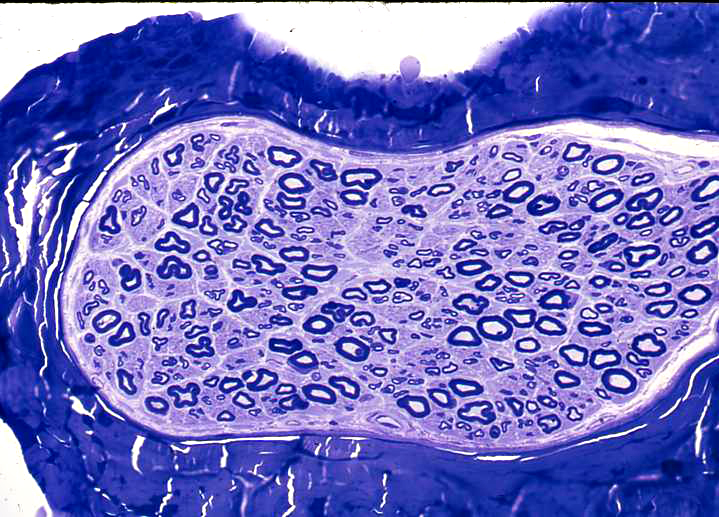
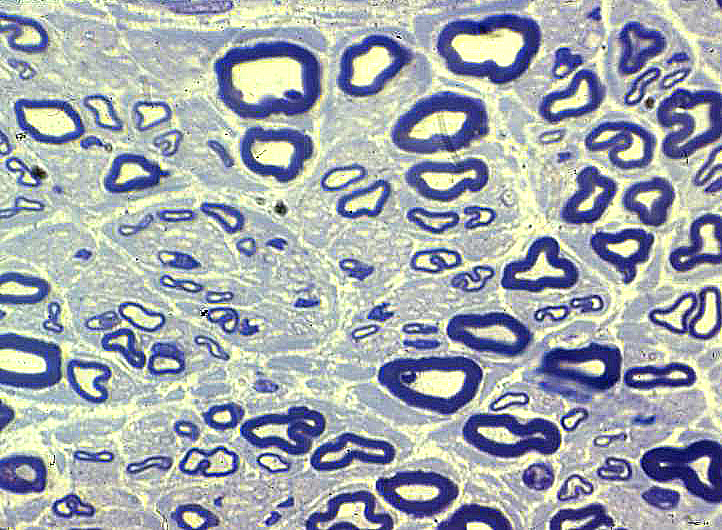
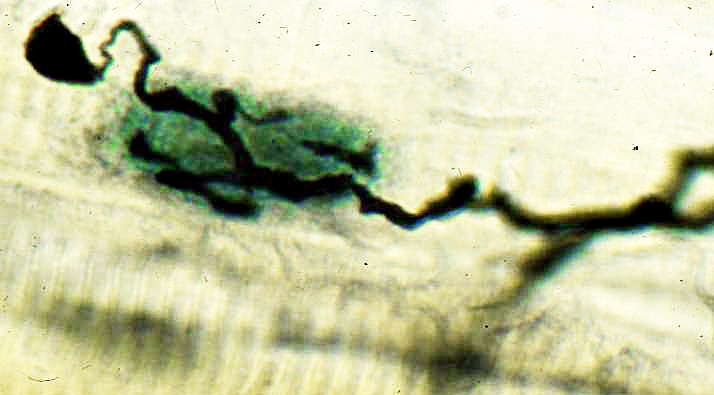
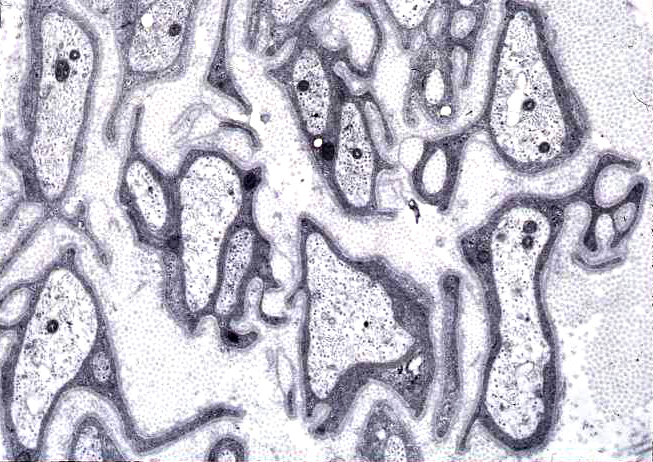
Prolonged Exposure Prolonged exposure of rats to DMAPN produces swelling of nerve terminals (14). Animals that received 0.5% DMAPN in drinking water for 2 to 9 months developed abnormally enlarged motor nerve terminals, containing disordered neurofilaments. Systemic effects of chronic DMAPN exposure include brown pigmentation of the skin, tail and teeth similar to that in aged rats and a 50% shortened life span. DMAPN does not produce the changes of osteolathyrism that result from exposure to other propionitriles (11).

Human studies Toxic mechanisms
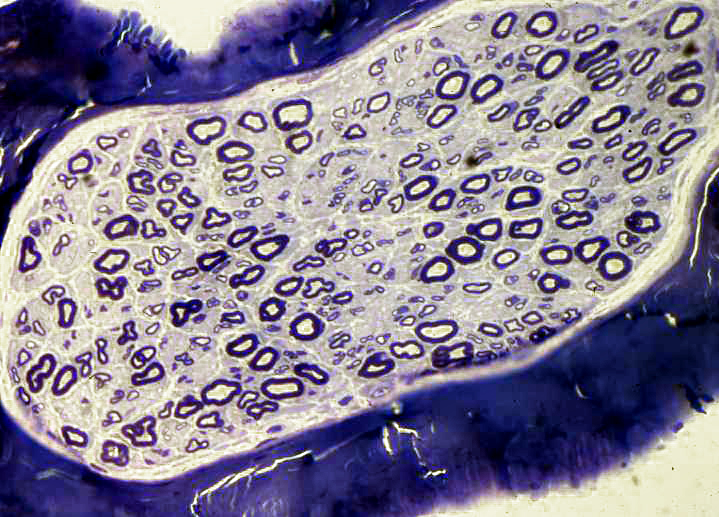
The most common syndrome associated with DMAPN intoxication is urological and results from a flaccid urinary bladder. DMAPN and its metabolites may have a direct toxic effect on the bladder wall. An underlying neuropathy probably also plays a role in the bladder dysfunction, and produces sensory loss, involving the sacral dermatomes and distal extremities, and some distal weakness. In humans and animals exposed to DMAPN, distal axons are enlarged with accumulations of neurofilaments similar to those found in proximal axons after intoxication by b,b-iminodipropionitrile. Humans also show evidence of a loss of small and large axons. The toxic syndrome is often reversible with many of its manifestations reduced or eliminated in the years since the usage of DMAPN was eliminated.

Physical properties of DMAPN
Molecular weight 98.15
Boiling point 174.5 °C
Freezing point -44.3 °C
Vapor pressure 1 mm Hg
Specific gravity 0.8715
Heat of vaporization at 1 atm 394 BTU/kg


References

1. Baker EL, Christiani DC, Wegman DH et al (1981) Follow-up studies of workers with bladder neuropathy caused by exposure to dimethylaminopropionitrile. Scandinavian Journal of Work, Environment & Health 7 Suppl 4, 54.

2. Froines JR, Postlethwait EM, LaFuente EJ, Liu WC (1985) In vivo and in vitro release of cyanide from neurotoxic aminonitriles. J Toxicol Environ Health 16, 449.

3. Froines JR, Watson AJ (1985) Evaluation of the inhibition of glycolytic enzymes by the neurotoxicant dimethylaminopropionitrile. J Toxicol Environ Health 16, 469.

4. Gad SC, McKelvey JA, Turney RA (1979) NIAX catalyst ESN: Subchronic neuropharmacology and neurotoxicology. Drug Chem Toxicol 2, 223.

5. Griffin JW, Price DL (1980) Proximal axonopathies induced by toxic chemicals. In: Experimental and Clinical Neurotoxicology. edited by Spencer PS, Schaumburg HH. Williams & Wilkins, Baltimore, p 161.

6. Jaeger RJ, Plugge H, Szabo S (1980) Acute urinary bladder toxicity of a polyurethane foam catalyst mixture: a possible new target organ for propionitrile derivative. J Environ Pathol Toxicol 4, 555-562.

7. Keogh JP (1983) Classical syndromes in occupational medicine: dimethylaminopropionitrile. Am J Indust Med 4, 479.

8. Keogh JP, Pestronk A, Wertheimer D, Moreland R (1980) An epidemic of urinary retention caused by dimethylaminopropionitrile. JAMA 243, 746.

9. Kreiss K, Wegman DH, Niles CA et al (1980) Neurological dysfunction of the bladder in workers exposed to dimethylaminopropionitrile. JAMA 243, 741.

10. Landrigan PJ, Kreiss K, Xintaras C et al (1980) Clinical epidemiology of occupational neurotoxic disease. Neurobehav Toxicol 2, 43.

11. Levine CI (1961) Structural requirements for lathyrogenic agents. Journal of Experimental Medicine 114, 295.

12. Mumtaz MM, Farooqui MY, Ghanayem BI, Ahmed AE (1991) The urotoxic effects of N,N'-dimethylaminopropionitrile. 2. In vivo and in vitro metabolism. Toxicology & Applied Pharmacology 110, 61.

13. Mumtaz MM, Farooqui MY, Ghanayem BI et al (1991) Studies on the mechanism of urotoxic effects of N,N'-dimethylaminopropionitrile in rats and mice. 1. Biochemical and morphologic characterization of the injury and its relationship to metabolism. J Toxicol Environ Health 33, 1.

14. Pestronk A, Keogh JP, Griffin JW (1980) Dimethylaminopropionitrile. In: Experimental and Clinical Neurotoxicology. edited by Spencer PS, Schaumburg HH. Williams & Wilkins, Baltimore, p 422.

15. Union Carbide Corporation (1978) Toxicology information sheet: Dimethylaminopropionitrile.

16. Union Carbide Corporation (1978) Toxicology information sheet: Dimethylaminoethylether.

17. White G, Keogh JP (1978) Health hazard determination report. TA 78-33 NIOSH, Cincinnati.

18. Wilmarth KR, Froines JR (1991) Role of monoamine oxidase in aminopropionitrile- induced neurotoxicity. J Toxicol Environ Health 32, 415.

19. Wilmarth KR, Froines JR (1992) In vitro and in vivo inhibition of lysyl oxidase by aminopropionitriles. J Toxicol Environ Health 37, 411.


Return to Toxic neuropathies

8/30/2004